
Faith, Family And Exile: When Belief Forces Nigerians To Flee Home – SIXT-MEDIA LANE
BY: Amb Prince Sixtus Opara
When families gather to celebrate milestones, the empty chair often tells the loudest story.
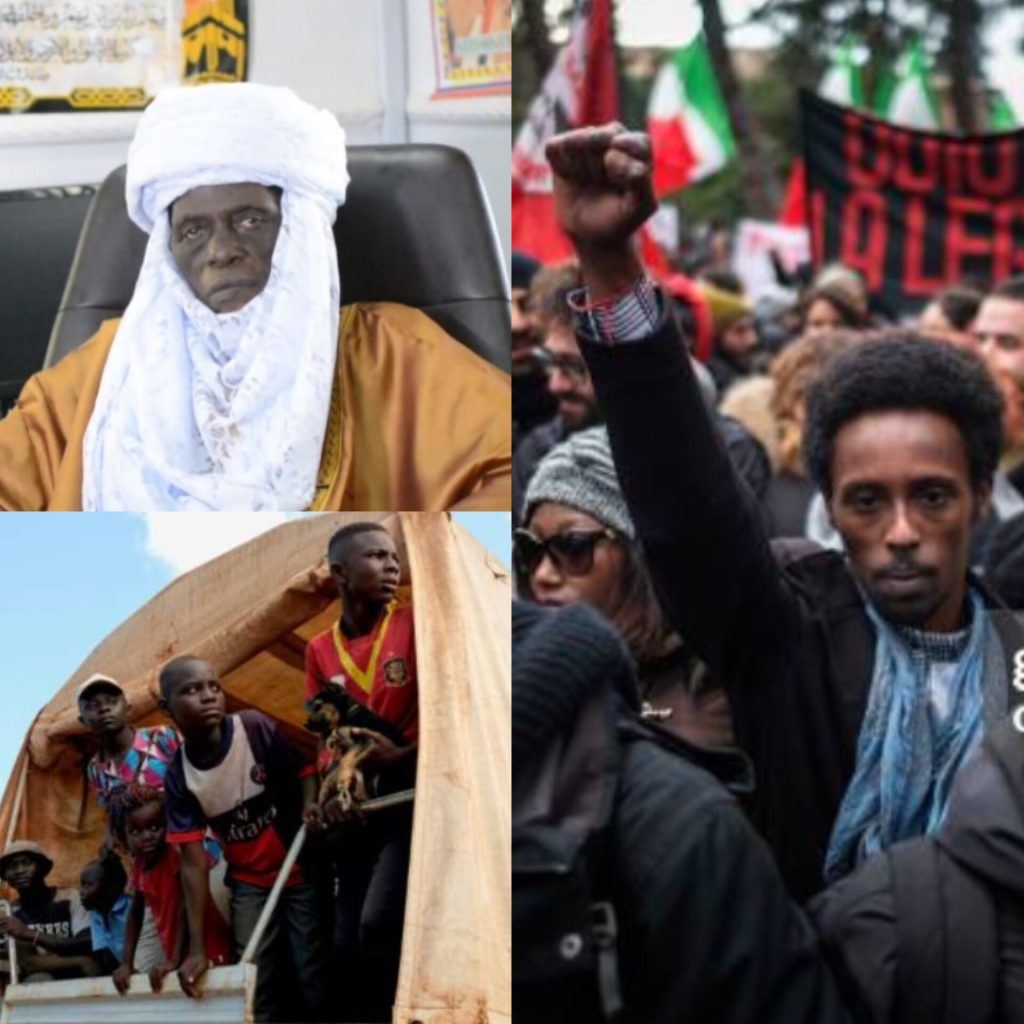
Across Nigeria, there are homes where a son, daughter, or sibling cannot sit at the table, not because they do not love their family, but because their choice of faith put them at risk.
For decades, Nigerians have fled their communities, sometimes their country, after converting to a different religion.
They cite threats, rejection, and fear of violence. What begins as a personal decision of conscience often ends in separation, silence, and exile.
A Familiar Story:
The Case of Olajide Kayode and Others,
One of such cases is that of Olajide kayode, firstborn son of Sheikh Osunseyi Ojo, an 85-year-old Islamic scholar and an influencial Imam in Igando, Ilesha, Osun State.

During the Imam’s 85th birthday in January 2026, he publicly disclosed that his son was absent because he had converted to Christianity after marriage. “He will not attend the ceremony. I do not wish to see him,” the Imam said.
For Kayode and his wife, Oluwaseun, the choice was between staying in an environment they described as hostile, or leaving to preserve their lives and practice their faith in peace. They joined the growing number of Nigerians living outside the country after religious-related disputes at home.
Kayode’s story is not an isolated incident.
A Pattern That Repeats:
Human rights monitors and faith organizations have documented similar cases over the years:
In 2002, Kano state to be precised:
A young man reportedly fled abroad after converting from Islam to Christianity, citing threats from family and community members.
2016, Kaduna: A woman sought refuge outside Nigeria following family disputes over her change of religion.
Various states: Pastors, converts, and interfaith couples have reported harassment, disownment, and in some cases, physical attacks.
In many instances, those affected do not leave because they reject their families. They leave because staying became unsafe.
The Constitutional Promise vs The Social Reality:
Section 38 of the 1999 Constitution of Nigeria, guarantees every citizen the right to freedom of thought, conscience, and religion. It includes the freedom to change religion and to manifest it in worship, teaching, and practice.
Yet the reality for many converts is different. Community pressure, family estrangement, and in extreme cases, threats, force people to choose between belief and belonging.
Faith leaders, civil society groups, and legal experts have repeatedly called for dialogue within families and stronger protection for individuals exercising their constitutional rights.
A Father, A Son, A National Conversation,
The Ojo family situation reflects a larger national conversation: How do we disagree on faith without breaking families or forcing people into exile?
At 85, Alhaji Osunseyi Ojo described his son’s conversion as painful and contrary to the path he expected for his firstborn. For Kayode, the distance is both physical and ideological.
Community leaders in Ibadan and beyond say cases like this should prompt religious and traditional institutions to promote tolerance, mediation, and the right of every adult to make personal choices about faith without fear.
Conclusion: Beyond One Name,
Behind the headlines and sermons are real people, fathers, mothers, sons, and daughters whose lives are altered by decisions of conscience.
Kayode Olajide’s experience, alongside other documented cases, reminds us that religious freedom is not just a legal clause. It is about whether a Nigerian can worship, marry, and live without being forced to run from home.
Until families and communities can accommodate differences without threats or banishment, more empty chairs will appear at birthdays, weddings, and funerals.
And Nigeria will continue to lose its people, not to war, but to intolerance.
About The Author